
Navigating DFW Commercial Real Estate: How to Secure Financing Amid Rising Interest Rates
Strategies for securing commercial real estate financing in the Dallas-Fort Worth market when capital is selective, underwriting is tight, and rates are elevated.
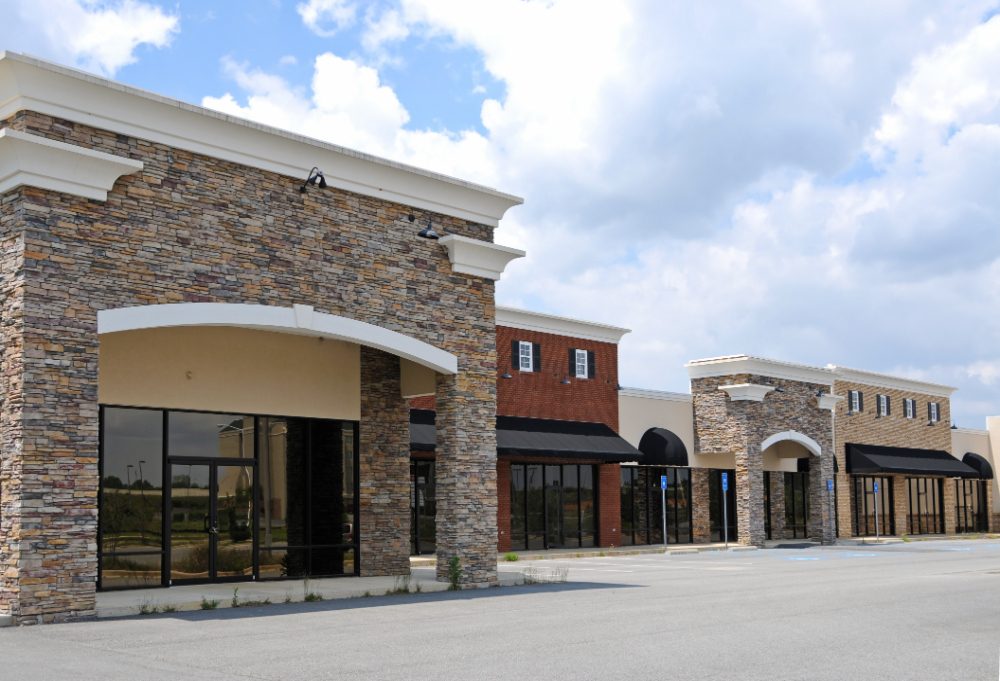
The Dallas-Fort Worth metroplex continues to be one of the most active commercial real estate markets in the entire country. With a booming population, a diversified economy, and consistent demand across asset classes, DFW attracts investors from across Texas and beyond. However, the financing landscape has shifted considerably over the past few years. Rising interest rates have made it more challenging to structure deals that pencil out, and borrowers who once relied on historically low rates are now rethinking their strategies.
Whether you are pursuing commercial real estate loans in Dallas or evaluating multi-family opportunities across the Metroplex, understanding how to navigate this environment is essential for long-term success.
Understanding the Current Rate Environment in Texas
The Federal Reserve’s aggressive tightening cycle pushed benchmark rates to levels not seen in decades, and while there has been some modest relief, borrowing costs remain elevated compared to the pre-2022 era. For investors seeking investment property financing in Texas, this means cap rates, debt service coverage ratios, and loan-to-value requirements are all under closer scrutiny than they were just a few years ago.
In the DFW market specifically, lenders have tightened underwriting standards across most commercial property types. Office assets have faced the steepest challenges due to shifting workplace trends, while industrial, retail, and multi-family properties have held up with considerably more resilience. Multi-family loan rates in Texas, while higher than they were during the low-rate era, remain competitive when compared to other major Sun Belt markets. Investors who understand the nuances of the current lending environment and work with experienced commercial mortgage brokers in Dallas are positioning themselves to find deals that still generate strong returns.
It is also worth noting that Texas as a state continues to benefit from significant in-migration and job growth, which supports property fundamentals even when financing costs are elevated. The underlying demand story for DFW commercial real estate remains intact, which gives lenders more confidence in the market than they might have in slower-growth regions.
Choosing the Right Loan Structure for Your DFW Investment
One of the most important decisions any investor faces in a high-rate environment is choosing the right loan structure. With commercial real estate loans in Dallas, there is no one-size-fits-all approach. The ideal structure depends on your investment timeline, the property type, your risk tolerance, and your expectations for rate movements over the coming years.
For shorter-term acquisitions or value-add plays, bridge loans remain a popular option. These floating-rate instruments typically carry higher costs but offer flexibility for investors who plan to reposition a property and refinance within two to five years. If rates decline during that window, the borrower benefits from a more favorable permanent financing situation.
For stabilized assets with strong in-place cash flow, fixed-rate permanent loans through agency lenders (such as Fannie Mae or Freddie Mac for multi-family) or life insurance companies can provide certainty of payment and protect investors from future rate increases. CMBS financing is another avenue worth exploring for larger commercial assets, particularly retail centers, office buildings, and hospitality properties across the DFW region.
SBA loans also play a meaningful role in the Texas commercial market, particularly for owner-occupied properties. The SBA 504 program, in particular, allows small business owners to finance commercial real estate with a below-market fixed rate on a significant portion of the loan, which can meaningfully reduce blended borrowing costs even in today’s environment.
How Commercial Mortgage Brokers in Dallas Add Value
Working with experienced commercial mortgage brokers in Dallas is one of the most effective ways to navigate a complex financing landscape. Unlike a direct lender, a commercial mortgage broker has access to a broad network of capital sources, including banks, credit unions, life companies, debt funds, agency lenders, and private money sources. This breadth of access allows brokers to shop the market on your behalf and identify lenders whose credit boxes align with your specific deal.
In a market like DFW, where deal flow is high and lender appetite varies considerably by asset type and submarket, having a broker who understands local dynamics is invaluable. A seasoned broker will know which banks are actively lending on multi-family assets in Fort Worth versus which life companies are focused on industrial deals along the I-35 corridor. That local knowledge can make the difference between getting a deal done efficiently and spending months chasing dead ends.
Beyond sourcing capital, commercial mortgage brokers also help borrowers prepare their loan packages in a way that presents the deal in its strongest light. Lenders have specific documentation requirements and underwriting preferences, and a broker who understands those preferences can structure your submission to minimize friction and maximize the likelihood of approval. For investors pursuing investment property financing in Texas for the first time, this guidance is particularly valuable.
Brokers also play a critical role in negotiating terms. Interest rate, amortization schedule, prepayment penalties, recourse requirements, and reserve obligations are all negotiable to varying degrees. An experienced broker knows where lenders have flexibility and where they do not, which allows them to advocate effectively for their clients throughout the process.
Key Metrics Lenders Focus On in Today’s Market
In an elevated rate environment, lenders are paying closer attention to certain metrics than they might have during a period of loose credit. Understanding what lenders are looking for will help you structure acquisitions and prepare stronger loan applications.
The debt service coverage ratio (DSCR) is arguably the most important metric for most commercial real estate loans in Dallas and across the DFW market. Lenders typically want to see a DSCR of at least 1.20 to 1.25 on stabilized properties, meaning the property’s net operating income must exceed the annual debt service by at least 20 to 25 percent. In a higher-rate environment, achieving this threshold requires either a lower purchase price, a larger down payment, or strong in-place rents.
Loan-to-value (LTV) ratios have also tightened. Where lenders might have offered 75 to 80 percent LTV on certain asset types a few years ago, many are now targeting 65 to 70 percent on comparable deals. This shift means investors need more equity to close transactions, which has reduced leverage but also created opportunities for well-capitalized buyers who can move decisively.
Multi-family loan rates in Texas will vary based on the specific program, the property’s occupancy and financials, the borrower’s experience and net worth, and the loan term. Agency programs through Fannie Mae and Freddie Mac tend to offer the most competitive rates for qualifying multi-family assets, while bridge and construction loans carry higher rates to reflect the additional risk.
Lenders are also scrutinizing rent rolls, lease terms, and tenant creditworthiness more carefully than in previous cycles. For retail and office assets, vacancy rates and lease expirations are front and center in the underwriting analysis. Investors who can demonstrate stable, diversified income streams are in a much stronger position than those with concentrated tenant exposure or near-term rollover risk.
Conclusion
The DFW commercial real estate market remains one of the most compelling investment destinations in the country, even as financing costs have risen. Investors who take the time to understand the current lending environment, choose the right loan structure, and work with skilled commercial mortgage brokers in Dallas will be far better positioned to close deals and generate returns. The fundamentals of the Texas market continue to support long-term investment, and for those who approach financing with discipline and preparation, there are still meaningful opportunities to be found across the Metroplex.
Need financing for a deal like this?
Caplli matches your transaction to the right capital partner from a nationwide lender network.